Guides
Blood Sugar Support Formula Guides: Seven Plain Answers Before You Buy
A blood sugar support formula is a supplement whose label uses that phrase. It is not a diabetes medicine. These seven guides cover what the phrase means, how supplements meet medicines, low blood sugar signs, evidence, label comparison, insulin resistance and endorsement claims. Each one cites public NIH, FDA, FTC and Mayo Clinic sources.
Written by the Glyco Harmony label deskUpdated
Start here01
What is a blood sugar support formula?
A blood sugar support formula is a dietary supplement sold with wording such as "Blood Sugar Support*" on the label. The wording describes how the seller sees the product. It is not a test result, and it is not approval.
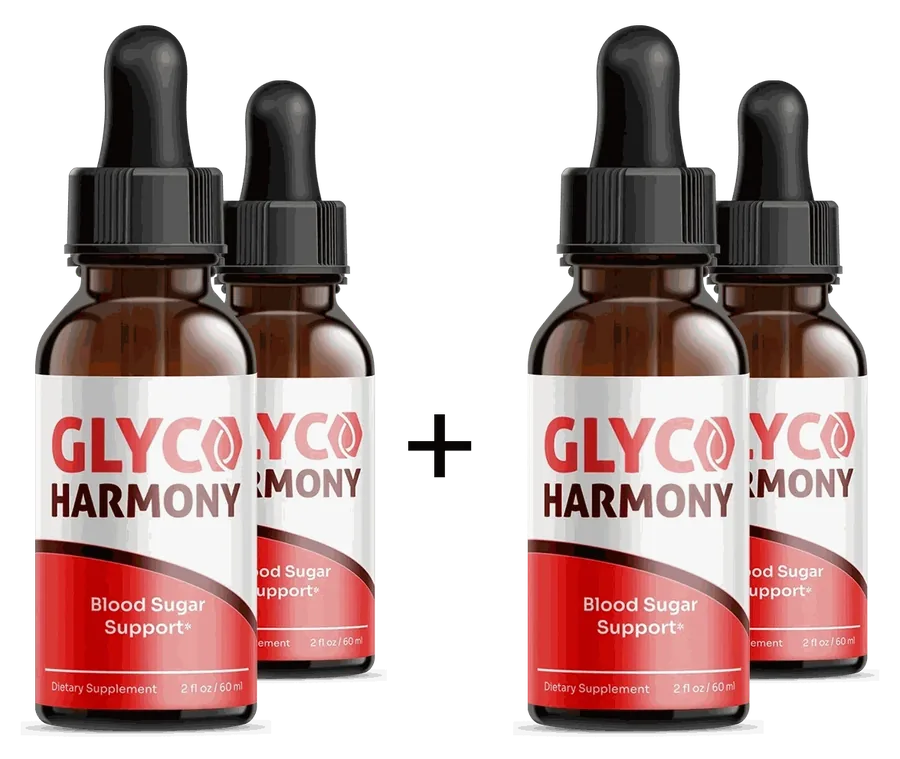
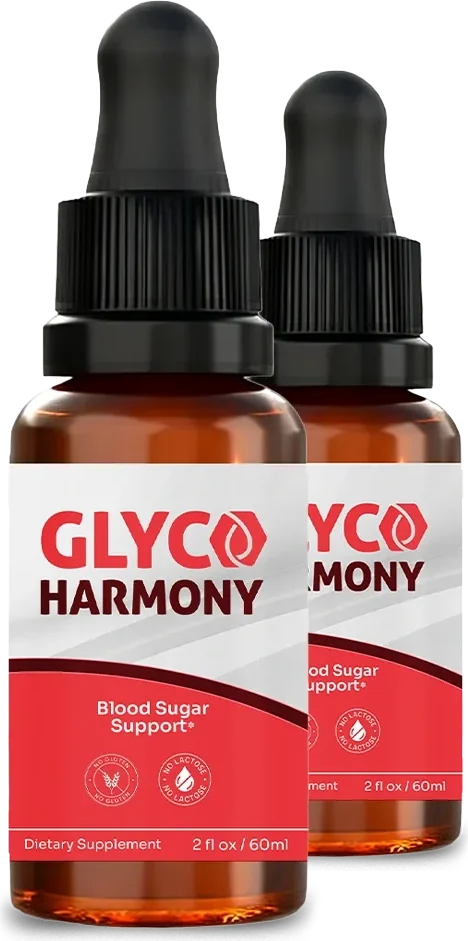
The star on the Glyco Harmony bottle leads to a short statement. The FDA has not evaluated it, and the product is not intended to diagnose, treat, cure, or prevent any disease (FDA, Questions and Answers on Dietary Supplements). That statement sits on every supplement that makes a structure or function claim.
The guides below start from that point. They explain what a label can and cannot tell you, what research exists on single ingredients, and where the research stops. No source has tested Glyco Harmony itself.
The seven guides02
Which blood sugar guide should you read first?
Read the guide that matches your question today. If you are not sure, begin with the meaning of the label wording, then move to medicines, because medicines are where mistakes cost the most.
What the label wording means
What "blood sugar support" is allowed to say, and what it is not allowed to say.
Supplements and diabetes medicines
Which ingredient cautions matter if you take insulin, pills or other prescriptions.
Do the supplements work?
What trials of single ingredients found, and how far those doses are from a 200 mg blend.
Insulin resistance and supplements
What insulin resistance is, who tests for it, and what supplement research covers.
At a glance03
What does each blood sugar support guide answer?
Each guide answers one question and ends with sources you can open yourself. The table shows who gets the most from each one.
If you take any prescription, the medicines guide comes first.
| Guide | Question it answers | Most useful if you |
|---|---|---|
| Label wording | What does "Blood Sugar Support*" mean? | are reading a bottle for the first time |
| Medicines | Can a supplement clash with my prescription? | take insulin or any diabetes pill |
| Low blood sugar | What are the signs, and what then? | have had shaky or sweaty spells |
| Evidence | What do trials actually show? | want numbers, not slogans |
| Comparison | How do I compare two bottles? | are choosing between products |
| Insulin resistance | Is there a supplement for it? | were told your numbers are borderline |
| Endorsements | Did a famous doctor back this? | saw an ad with a famous face |
The basics04
What blood sugar basics do all the guides start from?
Every guide assumes the same care basics: get tested, eat well and move, take prescribed medicine, monitor if your team says so, and tell your team about every supplement. A supplement sits on top of that list, never in place of it.
An A1C test shows average blood glucose over about three months (NIDDK, The A1C Test and Diabetes). For prediabetes, weight loss, healthy eating and activity can prevent or delay type 2 diabetes (CDC, Diabetes Basics). Open each card below to see the source behind it.
- Get testedAn A1C blood test shows average blood glucose over about 3 months: below 5.7% is normal, 5.7% to 6.4% prediabetes, 6.5% or above diabetes. (NIDDK, The A1C Test and Diabetes)
- Eat well and moveFor prediabetes, weight loss, healthy eating and activity can prevent or delay type 2 diabetes. (CDC, Diabetes Basics)
- Take prescribed medicineMedicine is the usual cause of low blood sugar in people with diabetes, so doses are set with your team, not by a supplement. (Mayo Clinic, Hypoglycemia)
- MonitorA continuous glucose monitor may mean fewer low-glucose emergencies and fewer finger sticks; some still need finger-stick checks. (NIDDK, Continuous Glucose Monitoring)
- Tell your teamSupplements can interact with medicines and cause low or high blood sugar. Talk with your care team first. (American Diabetes Association, Vitamins and Supplements) (NCCIH, Using Dietary Supplements Wisely)
- Check for hidden drugsFDA lab tests found glyburide and metformin hidden in a glucose supplement. Natural-sounding products can still hide drugs. (FDA, Hidden drugs in SugarMD glucose supplement) (FDA, Products claiming to treat diabetes)
The American Diabetes Association says supplements are not proven to lower blood glucose or support diabetes management (American Diabetes Association, Vitamins and Supplements).
A quick method05
How do you read a blood sugar support formula label?
Read a blood sugar support formula label in four passes: the claim, the facts panel, the other ingredients and the cautions. Doing it in that order keeps the slogan from steering the rest.
Find the claim and its star
On the Glyco Harmony label the front reads "Blood Sugar Support*". The star leads to the FDA statement. If a bottle claims to treat diabetes, that is a drug claim, and a supplement may not make it (FDA, Questions and Answers on Dietary Supplements).
Count the lines with amounts
This label prints one amount: 0.7 mcg of chromium. The other 22 names share a 200 mg proprietary blend with no single amounts (eCFR, 21 CFR 101.36 (proprietary blends)).
Read the other ingredients
The drops also contain glycerin, water, stevia extract, xylitol and preservatives. Xylitol is dangerous to dogs (FDA, Xylitol and dogs).
Read the cautions last
The label asks pregnant or nursing mothers, children under 18 and anyone with a medical condition to talk to a physician first.
The full word-for-word transcript is on the supplement facts page. The 22 names and their weight limits are on the proprietary blend page.
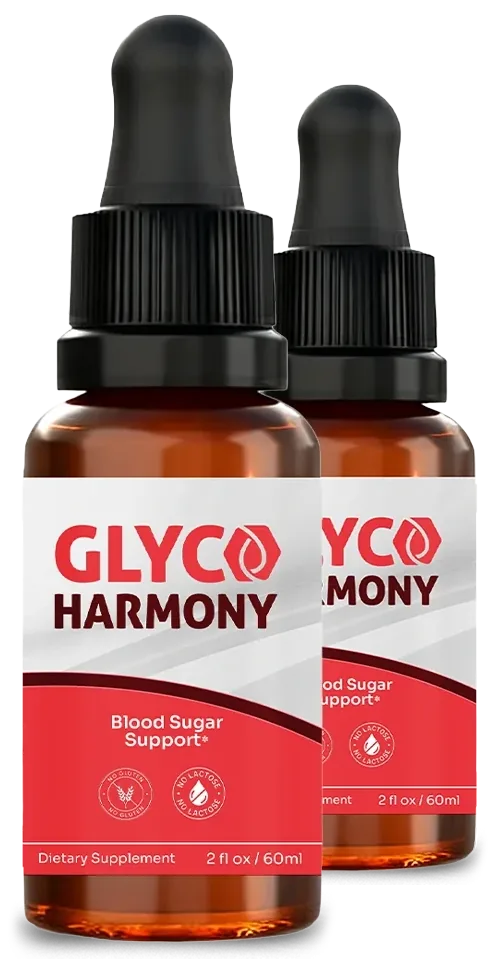
Glyco Harmony: 2 fl oz (60 mL), 60 servings1 or 2 droppers a day · 2, 4 or 8 bottles · price and guarantee terms at checkout
See packsWhat the sources say06
How do the guides treat evidence for a blood sugar support formula?
The guides treat evidence as a ladder: a trial of the finished product is the top rung, and nothing like it exists for Glyco Harmony. Trials of single ingredients come next, and the doses in them are usually far above a share of 200 mg.
Chromium shows the gap. Trials used 1.28 to 1,000 mcg a day, and chromium-only products usually give 200 to 500 mcg (NIH ODS, Chromium fact sheet). The label has 0.7 mcg per 1 mL serving, under 1% of those products.
The sales page is marketing, not evidence (Glyco Harmony sales page). Where it disagrees with the label, the guides follow the label.
If it is happening now07
What if your blood sugar feels wrong right now?
Shaky, sweaty, hungry, dizzy or confused can be low blood sugar. If you have diabetes, follow your own plan and check your level.
Confusion, fainting or a seizure needs 911. Do not wait for a supplement or a guide (CDC, Low Blood Sugar (Hypoglycemia)).
Sources and standards08
Where do the guides get their facts?
The guides draw on the bottle label, public health agencies and peer-reviewed reviews. Every health statement carries a numbered source, and the seller's sales page is labeled as marketing.
Keep taking prescribed medicine, ask your doctor or pharmacist before adding a supplement, and never change insulin or diabetes medicine because of one. The editorial standards explain how pages are written, and the legitimacy review covers the label against the sales page.
- Diabetes Basics. Centers for Disease Control and Prevention, 2026.Last reviewed January 2, 2026. Diabetes is a chronic condition affecting how the body turns food into energy; with diabetes the body makes too little insulin or cannot use it well. Type 2 is about 90% to 95% of diagnosed cases, type 1 about 5% to 10%. More than 40 million Americans (about 1 in 8) have diabetes and more than 1 in 4 of them do not know it. More than 2 in 5 adults have prediabetes (about 8 in 10 of them unaware); lifestyle changes such as weight loss, healthy eating and activity can prevent or delay type 2 diabetes.
- The A1C Test & Diabetes. National Institute of Diabetes and Digestive and Kidney Diseases (NIH), 2018.Page last reviewed April 2018. A1C reflects average blood glucose over roughly the past 3 months (glucose attached to hemoglobin). Normal is below 5.7%, prediabetes 5.7% to 6.4%, diabetes 6.5% or above. Diagnosis needs confirmation with a second test on another day unless symptoms are clear. No fasting needed. A1C should not be used to diagnose type 1, gestational or cystic fibrosis-related diabetes.
- Diabetes and Dietary Supplements: What You Need To Know. National Center for Complementary and Integrative Health (NIH), 2023.Last updated November 2023. Evidence of benefit is weak for a few supplements (chromium, cinnamon, berberine) and most studies are small and inconsistent; for most supplements there is no evidence of benefit for diabetes. A 2022 review of 16 chromium studies (868 people) suggested possible gains in A1C, fasting glucose and insulin resistance; side effects include stomach pain and bloating, and large doses have been tied to rare kidney, liver, muscle and skin problems. Alpha-lipoic acid was no better than placebo for blood sugar in a 2019 review of 10 studies (553 people). Herbal products can cause side effects with diabetes drugs. Do not replace medical treatment with an unproven product; tell all providers about supplements.
- Vitamins & Supplements for Diabetes. American Diabetes Association, n.d..No publication date shown on the page (copyright range to 2026). The ADA says its Standards of Care find supplements are not proven to lower blood glucose or support diabetes management, and that without an underlying deficiency there is no benefit from herbal or nonherbal supplementation. Supplements are recommended only for a diagnosed deficiency. Supplements can interact with medicines and cause low or high blood sugar. Talk with the care team first; if one is recommended, look for the USP symbol. The page does not mention chromium.
- Chromium - Health Professional Fact Sheet. NIH Office of Dietary Supplements, 2022.Updated June 2, 2022. Adequate Intake: 35 mcg/day men 19-50, 25 mcg women 19-50 (30 and 20 mcg after 50). No upper limit set. A 2019 overview of eight meta-analyses (58 trials, 3 weeks to 6 months, 1.28 to 1,000 mcg/day) found chromium lowered fasting glucose and A1C slightly in people with diabetes, with unclear clinical importance. A 24-week trial in 137 adults with type 2 diabetes at 1,000 mcg/day picolinate found no significant effect on A1C or fasting glucose. The ADA (2010) did not recommend chromium and its 2015 statement found evidence insufficient for routine use; FDA allows one qualified claim on chromium picolinate and insulin resistance, which it calls highly uncertain. About 1.2% of chromium from picolinate is absorbed. Case reports link supplements to hypoglycemia, kidney, liver and other problems. May add to insulin and metformin effects (hypoglycemia risk) and may lower levothyroxine absorption. Chromium-only products usually give 200 to 500 mcg.
- Questions and Answers on Dietary Supplements. U.S. Food and Drug Administration, 2026.Content current as of August 27, 2026. FDA enforces supplement rules mostly after products reach the market; it does not approve supplements or their labeling beforehand, does not routinely analyze their content, and FTC handles advertising. Structure/function claims need substantiation and the label disclaimer: This statement has not been evaluated by the Food and Drug Administration; not intended to diagnose, treat, cure, or prevent any disease. Only drugs may make those claims. Report problems through the Safety Reporting Portal.
- 21 CFR 101.36 - Nutrition labeling of dietary supplements. Electronic Code of Federal Regulations (FDA rule), 2026.A blend must be labeled Proprietary Blend or another descriptive or fanciful name, with the combined weight of all ingredients in the blend on the same line as the blend name. Ingredients inside must be listed in descending order of predominance by weight, indented under the blend name. The rule does not require each ingredient's own amount, so a 200 mg blend of about 20 ingredients does not reveal how much of any one ingredient is present.
- Glyco Harmony. Glyco Harmony (seller), 2026.Seller page, linked in the brief; read October 27, 2026 through a summarizing reader, so quotes are not verbatim. It describes a natural formula for blood sugar control and lists chromium picolinate, gymnema, African mango seed, green tea leaf, maca and panax ginseng. Headline: The Easiest Way to Manage Type 2, which conflicts with its own disclaimer that statements are not evaluated by FDA and the product is not meant to treat disease. Gymnema is called a sugar destroyer that helps regenerate pancreatic cells, with no studies cited. Three named customers report stable glucose; the page says testimonials may not reflect typical results. A 60-day money-back guarantee conflicts with refund wording requiring at least 30 days of use. Dosing conflicts between 2 capsules and 1 to 2 droppers. No named doctors or celebrities appear in the text. This is seller marketing, not evidence.
FAQ09
Blood sugar guide questions
Are the Glyco Harmony guides medical advice?
No. They explain public sources in plain language and do not replace your doctor or pharmacist. Keep taking prescribed medicine and never change insulin or diabetes medicine because of a supplement or an article.
Who writes the blood sugar guides?
The Glyco Harmony label desk writes them for Theglycoharmony, the U.S. stocking partner for Glyco Harmony. A medical reviewer slot is shown on each health page and stays a labeled blank until a real review is on file.
Do the guides say Glyco Harmony lowers blood sugar?
No. No source found has tested Glyco Harmony, so no result can be promised. The guides state what the label says, what research on single ingredients found, and where the gap lies.
Which guide should I read if I take diabetes pills?
Read the supplements and diabetes medicines guide first. Several ingredients on this label have sources noting they may add to the effect of diabetes medicine, so your prescriber or pharmacist should see the full label.
Are the guides updated?
Yes. Each page shows its last update date, and facts are rechecked against the label and the cited pages. The current update is October 27, 2026.
Is there a guide for choosing between supplements?
Yes. The comparison guide gives a checklist for any bottle: the claim, amounts printed, blend rules, other ingredients, cautions, maker details and refund terms.
Sources (17)
- Diabetes BasicsCenters for Disease Control and Prevention, 2026
- The A1C Test & DiabetesNational Institute of Diabetes and Digestive and Kidney Diseases (NIH), 2018
- Continuous Glucose MonitoringNational Institute of Diabetes and Digestive and Kidney Diseases (NIH), 2023
- Low Blood Sugar (Hypoglycemia)Centers for Disease Control and Prevention, 2024
- Hypoglycemia - Symptoms and causesMayo Clinic, 2026
- Vitamins & Supplements for DiabetesAmerican Diabetes Association, n.d.
- Using Dietary Supplements WiselyNational Center for Complementary and Integrative Health (NIH), 2019
- Chromium - Health Professional Fact SheetNIH Office of Dietary Supplements, 2022
- Dietary Supplements for Weight Loss - Health Professional Fact SheetNIH Office of Dietary Supplements, 2026
- L-arginineMayo Clinic, 2026
- Carnitine - Health Professional Fact SheetNIH Office of Dietary Supplements, 2023
- Paws Off Xylitol; It's Dangerous for DogsU.S. Food and Drug Administration, 2025
- Questions and Answers on Dietary SupplementsU.S. Food and Drug Administration, 2026
- 21 CFR 101.36 - Nutrition labeling of dietary supplementsElectronic Code of Federal Regulations (FDA rule), 2026
- FDA warns consumers of hidden drug ingredients in Dr. Ergin's SugarMD Advanced Glucose SupportU.S. Food and Drug Administration, 2023
- Questions and Answers: FDA alerts companies to stop the illegal sale of products claiming to treat diabetesU.S. Food and Drug Administration, 2016
- Glyco HarmonyGlyco Harmony (seller), 2026
Who wrote this10
Written and reviewed by
Pages built from the label, the brief and linked NIH, FDA, FTC, Mayo Clinic and peer-reviewed sources.
Last updated . Read our editorial standards and how we check reviews. This website is the information site of Theglycoharmony, the U.S. stocking partner for Glyco Harmony. It is not the manufacturer or the distributor named on the label. We earn money when you buy through our order links.
Keep reading
More about Glyco Harmony
U.S. stocking partner for Glyco Harmony
Ready to try Glyco Harmony?
Check your medicines first, especially insulin and other diabetes medicine, blood-pressure and blood-thinner medicine, then pick a supply. One or two droppers full a day; a 60 mL bottle holds 60 servings. The checkout shows the live price and the guarantee terms before you pay.
- Secure checkout on the sales site
- 60-day guarantee, per the sales page
- U.S. orders; shipping terms at checkout