Guide
Do Blood Sugar Supplements Work? A Plain Look at the Studies
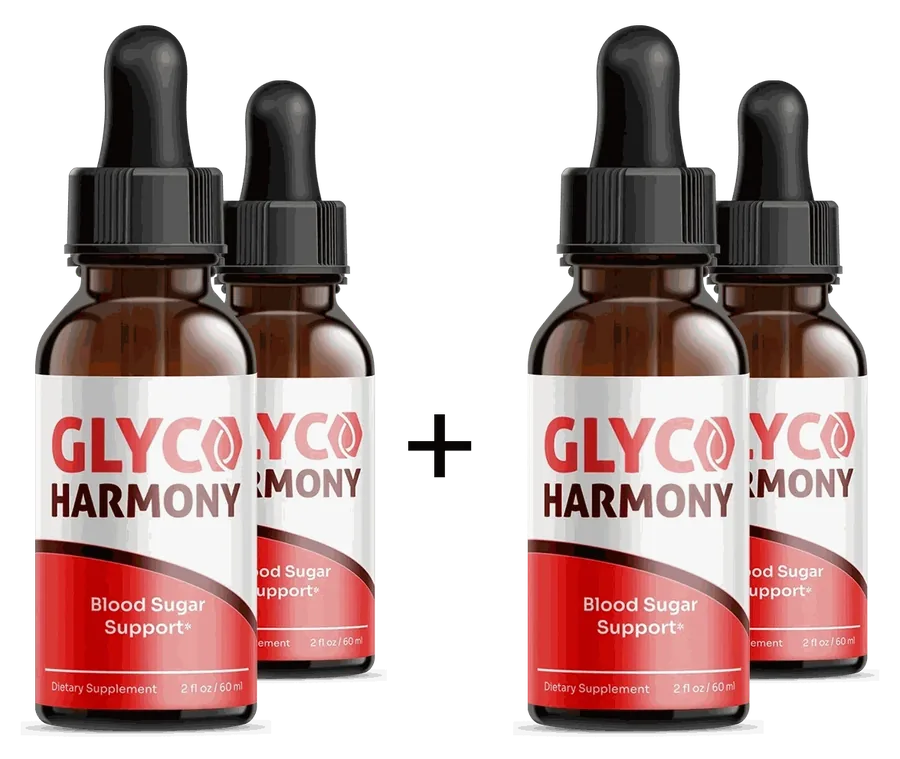
Do blood sugar supplements work? The American Diabetes Association says supplements are not proven to lower blood glucose, and without a deficiency it sees no benefit. A few, such as chromium, show small changes of unclear importance in trials. No study tested Glyco Harmony, which lists 0.7 mcg of chromium per 1 mL.
Written by the Glyco Harmony label deskUpdated
The short version01
Do blood sugar supplements work?
Mostly, no one can show that they do. The American Diabetes Association says supplements are not proven to lower blood glucose or support diabetes management (American Diabetes Association, Vitamins and Supplements).
It adds that without a deficiency there is no benefit from herbal or nonherbal supplements. The NIH center that studies these products says the same in softer words: evidence is weak for a few, and for most there is none (NCCIH, Diabetes and Dietary Supplements).
That is a statement about the whole shelf. It is not a verdict on one bottle. A supplement can still be safe to take, but "safe" and "works" are two different questions.
Weak evidence
Chromium, cinnamon and berberine are the names with some data, and the data are small and inconsistent.
No evidence
For most other supplements, researchers found no sign of benefit for diabetes.
Real risk
Herbal products can cause side effects with diabetes drugs, and some can push sugar too low.
The best-known mineral02
Does chromium help blood sugar?
Chromium shows small changes in some trials, and the importance of those changes is unclear. That is as far as the research goes.
An overview of eight pooled analyses covered 58 trials. Fasting glucose and A1C fell slightly in people with diabetes, and the authors could not say the change mattered in daily life (NIH ODS, Chromium fact sheet). A 24-week trial of 137 adults with type 2 diabetes used 1,000 mcg a day and found no significant effect on either number (NIH ODS, Chromium fact sheet).
A review of 14 trials put the picolinate change at 0.60 points of A1C and 8.49 mg/dL of fasting glucose. Neither was statistically significant, and the authors called a recommendation premature (Yin and Phung 2015, chromium and A1C). A 2024 review reported possible gains, but its trials mixed doses from 50 to 1,000 mcg and varied in quality (Georgaki et al. 2024, chromium and type 2 diabetes).
The FDA allows only one qualified claim on chromium picolinate and insulin resistance, and it calls the evidence highly uncertain (NIH ODS, Chromium fact sheet).
The label next to the studies03
How do Glyco Harmony doses compare with studied doses?
The Glyco Harmony label amounts sit far below the amounts used in research. One 1 mL serving lists 0.7 mcg of chromium, while chromium-only products usually give 200 to 500 mcg (NIH ODS, Chromium fact sheet).
That is under 1% of the low end of a common chromium dose. The 22 names in the 200 mg blend have no single amounts, so each can only be capped. Name k weighs at most 200 ÷ k mg (eCFR, 21 CFR 101.36 (proprietary blends)). The bars below set those caps against the low end of the amounts studied.
A studied dose says what was tested. It does not say what works for you, and no study tested this mix. The FTC adds that research on a single ingredient does not automatically back a finished product when the dose and combination differ (FTC, Health Products Compliance Guidance).
Other names on the shelf04
What do studies show for gymnema, ginseng and other blood sugar herbs?
Gymnema, ginseng and L-carnitine each have some human data. None of it shows that a supplement can stand in for treatment.
Gymnema trials showed modest drops in fasting glucose, sometimes with A1C rises, and effectiveness has not been established (LiverTox, Gymnema). A 2022 review of 20 ginseng studies found better fasting glucose in prediabetes or diabetes, yet NCCIH calls the evidence on blood sugar control inconclusive and conflicting (NCCIH, Asian Ginseng). African mango trials were about weight, not blood sugar (Onakpoya et al. 2013, Irvingia review).
| Name | What studies looked at | Caution from the source |
|---|---|---|
| Gymnema | Modest fasting glucose drops, mixed A1C | Rare liver injury reported (LiverTox, Gymnema) |
| Panax ginseng | Fasting glucose in 20 trials; mostly under 200 people and under 3 months | Might lower blood sugar; ask first (NCCIH, Asian Ginseng) |
| L-carnitine | 41-trial analysis: lower fasting glucose and A1C; 4 trials in type 2: no A1C change | Doses of 0.25 to 4 g a day (NIH ODS, Carnitine fact sheet) |
| African mango | 3 small weight trials, 208 people, poor quality | Authors did not recommend it (Onakpoya et al. 2013, Irvingia review) |
| Green tea extract | Possible small weight effect; blood sugar not covered | Liver injury reports (LiverTox, Green Tea) |
Each of these was studied alone, at doses far above a share of 200 mg. The ingredient pages repeat the sums: see gymnema and ginseng roots.
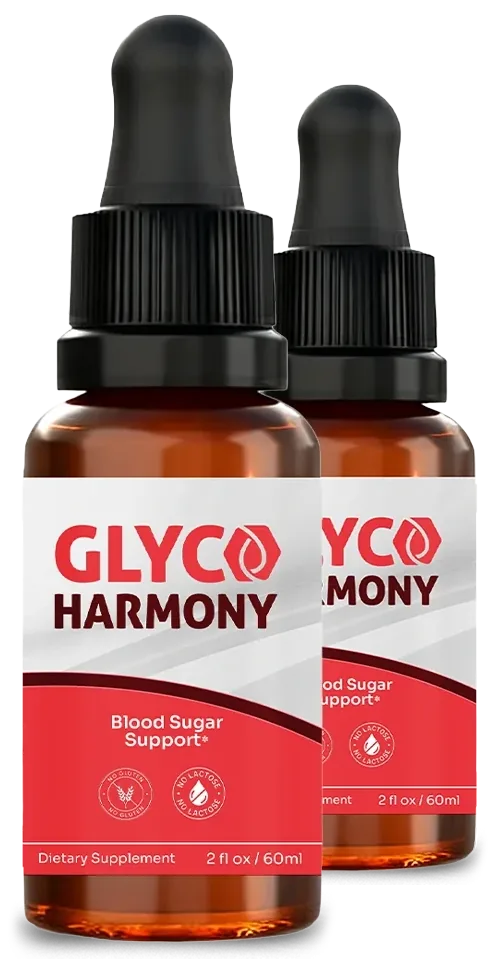
Glyco Harmony: 2 fl oz (60 mL), 60 servings1 or 2 droppers a day · 2, 4 or 8 bottles · price and guarantee terms at checkout
See packsMedicine comes first05
Can a blood sugar supplement replace diabetes medicine?
No. NCCIH says not to replace medical treatment with an unproven product, and to tell every provider about every supplement (NCCIH, Diabetes and Dietary Supplements).
Keep taking prescribed medicine. Ask your doctor or pharmacist before adding a supplement. Never change insulin or diabetes medicine because of one. Some supplements can cause low or high blood sugar (American Diabetes Association, Vitamins and Supplements), which is one reason to ask first. The full list of medicine checks is in supplements and diabetes medicines.
Picking one06
Is there a best blood sugar supplement?
No source ranks one best blood sugar supplement, and a list of winners for any year would be a guess. What you can do is check each label against the same few tests.
The FDA does not approve supplements before they are sold, and it does not routinely analyze what is inside (FDA, Questions and Answers on Dietary Supplements). So the label and the evidence have to carry the weight. Words such as standardized, verified or certified do not guarantee quality (NCCIH, Using Dietary Supplements Wisely).
- Does the label print an amount for each name, or only a blend total?
- Is the printed amount close to a dose that was studied, or a small fraction of it?
- Does a source test this exact product, or only a single ingredient?
- Does the company name the maker and a lab that tested the batch?
- Does the ad say it treats a disease? Only drugs may make that claim (FDA, Questions and Answers on Dietary Supplements).
The step-by-step version is in how to compare blood sugar supplements.
What to do07
What should you do before you try a blood sugar supplement?
Talk to your doctor or pharmacist first, bring the bottle, and keep your care plan. Then read the label with the numbers in hand.
Get the basics checked
An A1C test shows average blood glucose over about 3 months. Below 5.7% is normal, 5.7% to 6.4% is prediabetes and 6.5% or above is diabetes (NIDDK, The A1C Test and Diabetes).
Ask about your medicines
Chromium, L-arginine, ginseng and gymnema each have a source saying they may add to the effect of diabetes medicine.
Do the label sums
For Glyco Harmony, see the 200 mg blend page and the supplement facts.
Confusion, fainting or a seizure needs 911. The FDA has not evaluated the statements on this label.
FAQ08
Blood sugar supplement questions
Are blood sugar supplements safe to take with metformin?
Not always. Chromium may add to the effect of insulin and metformin, and herbal products can cause side effects with diabetes drugs. Ask your doctor or pharmacist before adding any supplement, and never change a dose on your own.
Which blood sugar supplement has the most evidence?
Chromium has the most trials, but the changes are small and of unclear importance. NCCIH names chromium, cinnamon and berberine as the few with weak evidence. For most other supplements, it found no evidence of benefit for diabetes.
Can supplements lower A1C?
Studies of chromium report slight A1C drops in some trials and none in others. A 24-week trial at 1,000 mcg a day found no significant change. No supplement is a proven way to lower A1C, so ask your care team.
Is a doctor needed before a blood sugar supplement?
Yes, if you take any diabetes medicine or have a medical condition. The label says pregnant or nursing mothers, children under 18 and anyone with a known medical condition should consult a physician first.
Does the FDA test blood sugar supplements?
Not before sale. The FDA does not approve supplements or routinely analyze their content, and it has found hidden prescription drugs in some glucose products. A prescriber should know about any such product you take.
Sources (17)
- The A1C Test & DiabetesNational Institute of Diabetes and Digestive and Kidney Diseases (NIH), 2018
- Diabetes and Dietary Supplements: What You Need To KnowNational Center for Complementary and Integrative Health (NIH), 2023
- Vitamins & Supplements for DiabetesAmerican Diabetes Association, n.d.
- Using Dietary Supplements WiselyNational Center for Complementary and Integrative Health (NIH), 2019
- Chromium - Health Professional Fact SheetNIH Office of Dietary Supplements, 2022
- Effect of chromium supplementation on glycated hemoglobin and fasting plasma glucose in patients with diabetes mellitus (Nutrition Journal)Yin RV, Phung OJ (Nutrition Journal), 2015
- Chromium supplementation and type 2 diabetes mellitus: an extensive systematic review (Environmental Geochemistry and Health)Georgaki MN, Tsokkou S, Keramas A, Papamitsou T, Karachrysafi S, Kazakis N, 2024
- Dietary Supplements for Weight Loss - Health Professional Fact SheetNIH Office of Dietary Supplements, 2026
- Green Tea (LiverTox)NIDDK LiverTox, NCBI Bookshelf, 2020
- Asian Ginseng: Usefulness and SafetyNational Center for Complementary and Integrative Health (NIH), 2025
- Gymnema (LiverTox)NIDDK LiverTox, NCBI Bookshelf, 2024
- The efficacy of Irvingia gabonensis supplementation in the management of overweight and obesity: a systematic review of randomized controlled trials (J Diet Suppl)Onakpoya I, Davies L, Posadzki P, Ernst E (via CRD DARE abstract on NCBI Bookshelf), 2013
- L-arginineMayo Clinic, 2026
- Carnitine - Health Professional Fact SheetNIH Office of Dietary Supplements, 2023
- Questions and Answers on Dietary SupplementsU.S. Food and Drug Administration, 2026
- 21 CFR 101.36 - Nutrition labeling of dietary supplementsElectronic Code of Federal Regulations (FDA rule), 2026
- Health Products Compliance GuidanceFederal Trade Commission, 2022
Who wrote this09
Written and reviewed by
Pages built from the label, the brief and linked NIH, FDA, FTC, Mayo Clinic and peer-reviewed sources.
Last updated . Read our editorial standards and how we check reviews. This website is the information site of Theglycoharmony, the U.S. stocking partner for Glyco Harmony. It is not the manufacturer or the distributor named on the label. We earn money when you buy through our order links.
Keep reading
More about Glyco Harmony
U.S. stocking partner for Glyco Harmony
Ready to try Glyco Harmony?
Check your medicines first, especially insulin and other diabetes medicine, blood-pressure and blood-thinner medicine, then pick a supply. One or two droppers full a day; a 60 mL bottle holds 60 servings. The checkout shows the live price and the guarantee terms before you pay.
- Secure checkout on the sales site
- 60-day guarantee, per the sales page
- U.S. orders; shipping terms at checkout